If you're facing a tooth cracked below the gumline that can't be crowned, we check who's actually open in High Bridge, NJ right now for this exact procedure — not just listed online.

One call tells you exactly when and where you can be seen for this.
+1-866-227-2801
Extraction is usually the last resort, recommended only after a crown, root canal, or other fix has been ruled out. An intact, accessible tooth is a simple extraction; a broken or impacted one requires surgical technique.
Most extractions are done comfortably under local anesthesia alone, with sedation offered when needed. Aftercare focuses on protecting that healing clot, the single most common source of post-extraction complications.
Delaying a decision on replacement isn't necessarily a problem, though your provider will flag if drift risk makes it worth doing sooner. Socket preservation at the time of extraction is a small step now that keeps more options open later.
Whether straightforward or impacted, the same practice typically handles either case. One office, one set of X-rays, one treatment plan, regardless of complexity.
Comfort options beyond local anesthesia exist for those who need them. Which option makes sense depends on your anxiety level and the complexity of the extraction.
A tooth causing acute pain can often be removed the day it's diagnosed. Pain and infection risk are what move a case up the queue, not how long you've been a patient.
Specific instructions protect the healing socket from the most common post-extraction problem. You leave with written instructions, not just a verbal rundown you might forget by the time you're home.
Whatever the specifics of your case, the specialist we route you to has handled it before.
The most common extraction type, typically with straightforward recovery.
For teeth broken at the gumline or not fully erupted, requiring a small incision.
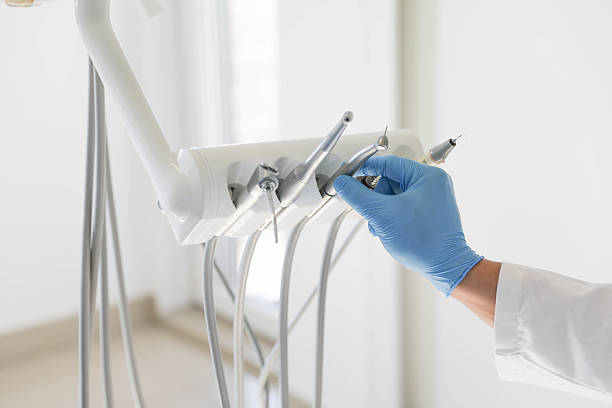
Removes a tooth too decayed for a filling or crown, stopping decay from spreading further.
Often paired with a broader periodontal treatment plan for the remaining teeth.
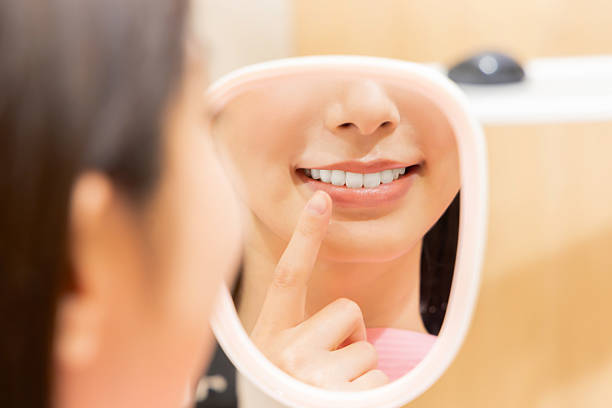
Removes specific teeth to create space needed before braces or aligners.
Bone graft material placed in the socket preserves jaw volume for a later implant.
You describe what's going on in a minute or two; no automated menu to fight through first.
We match you with a nearby specialist experienced in this exact procedure and check real-time openings.
The specialist examines your case, often with same-visit imaging, and gives you a cost estimate before starting anything.
Treatment proceeds on the agreed plan, with aftercare instructions and a follow-up if the case calls for one.
"Explained every step and the cost before doing anything. First visit that didn't feel rushed."
"Price on the phone matched the invoice exactly. No surprise charges at all."
"Was honest that the closest office was full and got me into a nearby one instead of leaving me stuck."
You may feel pressure but not pain, thanks to the anesthesia.
Simple extractions typically heal within a week; surgical ones may take longer.
Following aftercare instructions on diet and rinsing significantly lowers the risk.
It depends on the tooth's location and your bite; your provider will discuss whether it matters here.
Urgent cases involving pain or infection are often accommodated same-day.
Cost depends on whether it's simple or surgical, confirmed before the visit.
Our coverage spans High Bridge and its surrounding area, matching you with the closest available specialist who's actually open.
Licensed to practice in NJ, verified before referral.
A short call is all it takes to get this on the calendar this week.
Call +1-866-227-2801 Now